
The Attack on Human Reality
Cognitive hacking is the deliberate manipulation of human thought. It targets perception, memory, judgment, and decision-making by using digital channels like
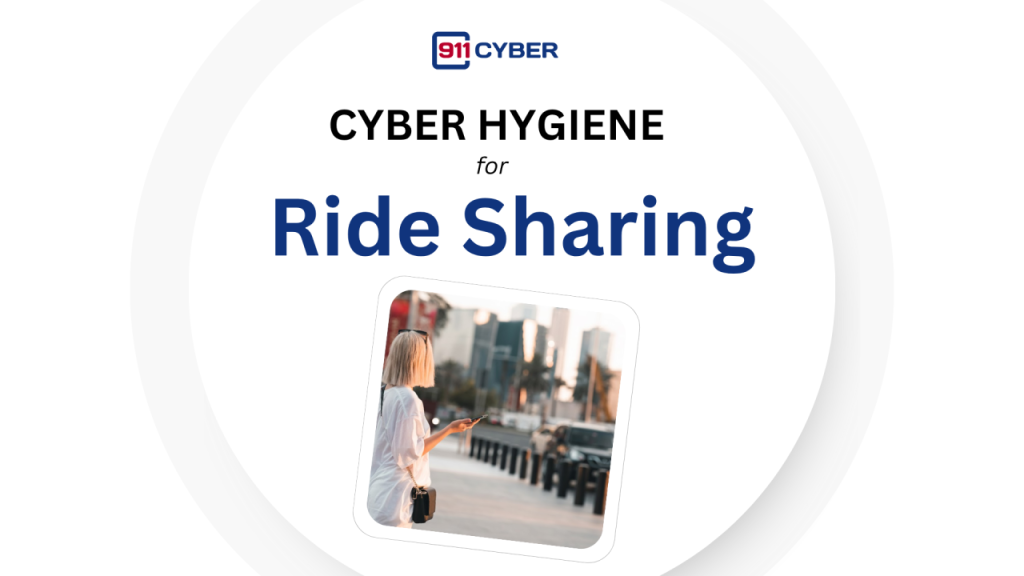
Ride-sharing offers convenience but also exposes riders to a mix of digital, physical, and privacy risks. Criminals can impersonate drivers using cloned profiles or similar-looking vehicles, while phishing messages disguised as refund or payment alerts trick users into sharing personal data. Weak passwords and reused credentials make accounts vulnerable to takeovers, giving attackers access to payment details and trip histories. The apps themselves collect vast amounts of location data, creating privacy risks if breached or misused. Inside the car, riders face potential physical threats from unverified or malicious drivers, and oversharing trip details online can make users targets for stalking or theft. In short, every ride is a trust exchange, one that demands both digital vigilance and real-world awareness.

When using ride-sharing services, there are several privacy considerations to keep in mind. Apps constantly track your location, revealing sensitive patterns such as your home, workplace, and daily routines. Many services share anonymized or aggregated trip data with third parties, but even this data can sometimes be re-identified. Your account information, including email, phone number, payment methods, and sometimes social media links, can be exposed if passwords are weak or reused. Trip history stored in the app can reveal habits and frequented locations, potentially enabling stalking or targeted scams. In-app communications may also be stored or monitored, so avoid sharing sensitive personal details outside official channels. Device permissions such as access to contacts or microphone should be granted sparingly. Finally, avoid posting ride details or screenshots online to prevent oversharing.

AI is amplifying ride-sharing risks in ways many riders do not realize. Fraudsters use AI-generated profiles and deepfake photos to create convincing fake driver accounts that can bypass casual verification. Phishing messages have become more sophisticated, with AI crafting personalized texts that mimic the tone and style of official ride-sharing communications, making scams harder to spot.
Even in the physical world, AI can analyze stolen trip data to predict user patterns, from daily commutes to weekend routines, which enables targeted stalking or theft. Some attackers also deploy AI chatbots to interact with victims in real time, tricking them into revealing passwords, PINs, or personal details. AI does not just speed up attacks, it makes them smarter, more convincing, and far more dangerous for the average rider.

Limit location permissions, avoid storing unnecessary payment methods, and review privacy settings regularly.
End the ride if possible, share your trip with a trusted contact, and report the driver immediately through the app.
Verify the driver’s photo, license plate, and car model, and only communicate through the official app to avoid phishing.
Ride-sharing apps track your location, payment details, and ride history to improve services, but this data may also be shared with third parties or exposed in data breaches. Review the company’s privacy policy and delete old ride history when possible.
Wait for your ride indoors, confirm driver details before getting in, sit in the back seat, and share your live location with a friend. Avoid sharing personal information with the driver and trust your instincts. If something feels off, end the ride.
📚Books
🎙️ Podcasts
▶️ Videos
Ride-sharing is convenient, but every trip comes with both digital and real-world risks. Your personal data, travel patterns, and even physical safety can be exposed if you are not vigilant. The good news is that small, consistent habits, such as verifying drivers, limiting location sharing, using strong passwords, and staying aware during rides, can dramatically reduce your risk. Think of every ride as a trust exchange, where awareness and preparation are your first line of defense. Protect your privacy, stay alert, and make safety a routine part of every journey.
If you need help, book a consultation with one of our experts.

A free 15-min cybersecurity consultation