The Attack on Human Reality
Cognitive hacking is the deliberate manipulation of human thought. It targets perception, memory, judgment, and decision-making by using digital channels like
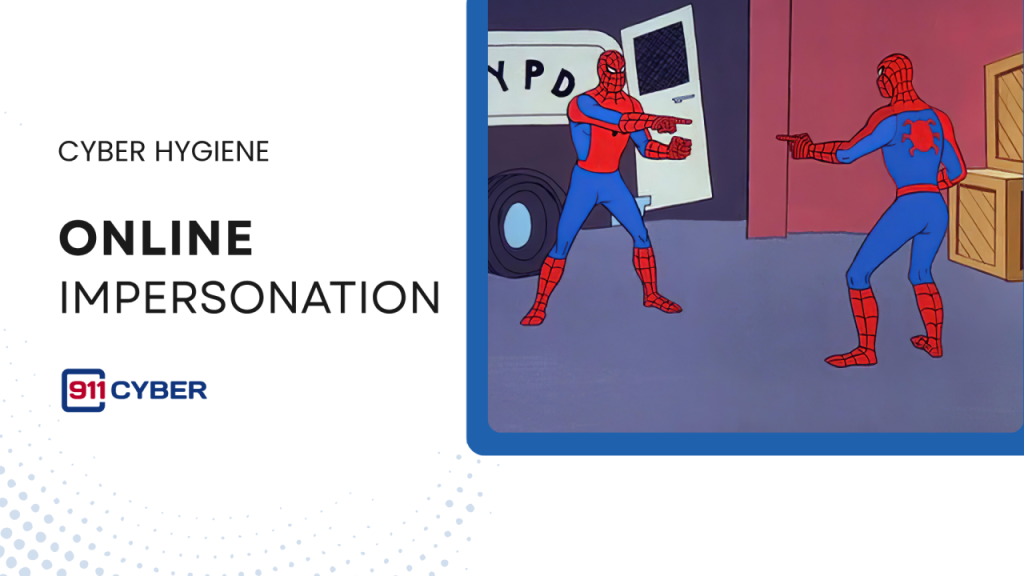
Online impersonation is the act of creating a false online identity that mimics another real person or a legitimate entity. This can involve using someone else’s name, photos, and personal details to create social media profiles, email addresses, or even entire websites. The motivations behind such acts are diverse and often malicious, including financial fraud, harassment, defamation, or simply to sow confusion and chaos. It’s a significant breach of trust and can have severe consequences for the individual being impersonated.
The dangers of online impersonation extend far beyond mere annoyance. They can infiltrate various aspects of a victim’s life:

The rapid growth of AI technologies has given impersonators powerful new tools to deceive people more effectively. Deepfake technology now allows the creation of highly realistic yet entirely fabricated videos and audio recordings, showing individuals saying or doing things that never happened. This makes it increasingly difficult to tell real content from fake.
Generative AI for text can imitate someone’s writing style with striking accuracy, helping impersonators craft convincing emails, messages, or posts that appear authentic. Voice cloning takes this a step further, enabling AI to replicate a person’s voice from just a few seconds of audio and use it to make realistic-sounding phone calls that trick victims or automated systems.
Even the process of creating fake online identities has become automated. AI can generate countless fake profiles using scraped personal data and AI-generated photos, giving these accounts a convincing and trustworthy appearance.
Vigilance is your first line of defense. Here’s how to actively monitor for signs of impersonation:
Periodically search your name, email address, and common usernames on search engines (Google, Bing) and major social media platforms (Facebook, Instagram, X, LinkedIn, TikTok).
Use tools like Google Images reverse search to see if your photos are appearing on unfamiliar profiles or websites.
Create alerts for your name, professional titles, and business names to be notified whenever they appear online.
Keep a close eye on your own online accounts for any unusual activity, such as login attempts from unknown locations or messages you didn’t send.
Your friends, family, and colleagues might be the first to notice a suspicious profile impersonating you. Encourage them to notify you if they see anything out of the ordinary.

In most jurisdictions, yes. Laws vary, but impersonating someone online with intent to defraud, harass, or harm them can lead to criminal charges, civil lawsuits, or both. For example, California has a specific law against online impersonation.
Yes. Many impersonators use fake profiles, emails, or messages to trick victims into sending money, sharing account details, or approving fraudulent transactions. Business Email Compromise (BEC) scams often target employees with financial access.
Completely preventing it is difficult, but you can minimize risks. Limit public sharing of personal photos and voice recordings, verify unusual requests carefully, and use AI detection tools for suspicious content.
Report the profile to the platform where the impersonation appears. Collect evidence such as screenshots, URLs, and timestamps. You can also file complaints with authorities like the FTC in the U.S. or your local cybercrime unit.
📚Books
🎙️ Podcasts
▶️ Videos
AI impersonation scams on the rise by WUSA9
🛠️ Tools
Online impersonation is a serious threat in our interconnected world, but it’s not insurmountable. By understanding the risks, staying vigilant, and implementing robust cyber hygiene practices, you can significantly reduce your vulnerability. Remember, your online identity is a valuable asset, and protecting it is an ongoing responsibility. Stay safe, stay smart, and never underestimate the power of being proactive in your digital defense.
If you need help, book a consultation with one of our experts.
Book Now!

A free 15-min cybersecurity consultation