
How to Build a Personal Incident Response Plan
An Incident Response Plan (IRP) is simply a written guide that tells you what to do, who to call, and how to recover if something bad happens in your digital
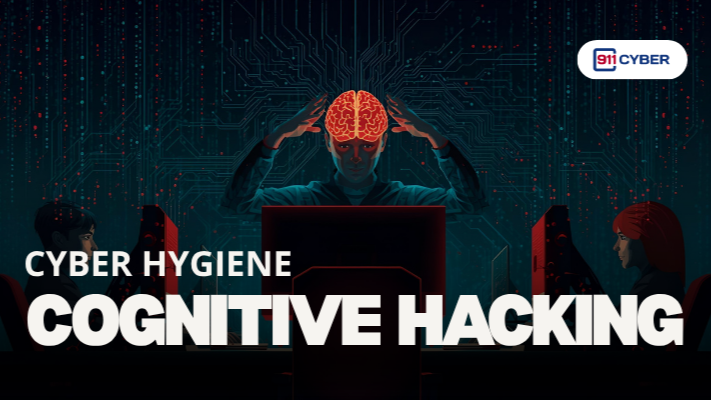
Cognitive hacking is the deliberate manipulation of human thought. It targets perception, memory, judgment, and decision-making by using digital channels like social media and fake news to influence beliefs and actions.
Unlike traditional social engineering, which usually focuses on a single interaction, cognitive hacking works at scale, using technology to manipulate groups or society. Unlike general disinformation campaigns, it specifically exploits human cognition to change behavior.
Attackers rely on natural vulnerabilities in our thinking:
In short, cognitive hacking is a sophisticated, large-scale attempt to manipulate minds and drive real-world actions.
Cognitive hacking is more than a digital threat. It can cause real-world harm, including financial loss, reputational damage, psychological stress, harassment, and even physical danger. In extreme cases, manipulated information has led to riots and vigilante attacks.
At a societal level, these attacks erode trust in institutions, media, and democracy. They often exploit divisions and target groups that are more susceptible to certain messages. Governments now consider the ability to influence perception and behavior a serious national security concern.
Corporations and financial markets are also at risk. False reports or synthetic media can quickly damage brands, trigger boycotts, and create stock volatility. For example, a false claim about Farmland Partners in 2018 caused a 40 percent drop in stock value in a single day.
Cognitive hacking is a powerful tool that can affect individuals, communities, and entire markets, making it one of today’s most serious cyber threats.

It affects daily life.
Whether planning for kids’ safety online, deciding what news to trust, or clicking a payment link, cognitive hacking changes everyday choices.
It undermines trust.
Democracies, emergency response, healthcare, and markets depend on shared facts and trust. Cognitive hacks corrode that foundation.
It targets the vulnerable.
Children, elderly, those with low digital literacy, and emotionally distressed people are easier to manipulate.
It scales via tech.
Social platforms and recommendation algorithms can accidentally amplify manipulative content. Add AI, and scale + realism increase dramatically.
AI changes the game in four major ways:
Beyond the technology itself, regulatory and ethical asymmetries matter: attackers can freely experiment and scale, whereas defenders face legal, privacy, and ethical constraints (and slower institutional processes). That gives attackers an advantage unless we strengthen systemic defenses. (See policy responses such as EU and national rules about labeling AI content.)

1. Can cognitive hacking really affect me personally?
Yes. Even individuals can be manipulated through social media, messaging apps, or fake news, influencing decisions, emotions, and behavior.
2. How is cognitive hacking different from a scam or phishing?
Scams aim to steal money or credentials. Cognitive hacking manipulates your perception and behavior, sometimes without immediate financial motives.
3. Are deepfakes the main tool for cognitive hacking?
Not always. Deepfakes are one method, but misinformation, emotional narratives, and social engineering all fall under cognitive hacking.
4. Can families protect children from these attacks?
Yes. Teaching critical thinking, digital literacy, and safe online habits can make children more resilient to manipulation.
5. How can I tell if information is trying to manipulate me?
Look for content designed to provoke strong emotions, confirm your existing beliefs, or create a sense of urgency. Pause, fact-check, and seek multiple sources before reacting.
🧰 What Resources Are Available to Help?
📚Books
🎙️ Podcasts
Cognitive hacking is not a distant threat. It is happening now, influencing the choices we make, the information we trust, and even the stability of communities, markets, and governments. Awareness, critical thinking, and simple protective steps can dramatically reduce your risk and that of your family. The digital world is increasingly designed to manipulate attention and emotions, but knowledge is the first line of defense. By staying alert, verifying information, and teaching those around us, we reclaim control over our perceptions and our decisions.

Copyright © 2025 @ 911Cyber All Rights Reserved.
Follow 911Cyber on:

A free 15-min cybersecurity consultation