

The Attack on Human Reality
Cognitive hacking is the deliberate manipulation of human thought. It targets perception, memory, judgment, and decision-making by using digital channels like

A cybercrime is any unlawful activity carried out using computers, smartphones, or the internet. These crimes can target individuals, businesses, or even governments, and they’re growing more sophisticated every year.
Cybercrimes generally fall into three categories: crimes against individuals, such as stealing personal data, identity theft, harassment, stalking, or blackmail; crimes against property, including hacking into systems, installing ransomware or malware, and committing financial fraud; and crimes against organizations or states, such as espionage, large-scale data breaches, or attacks on critical infrastructure.
Common examples include:
💳 Fraud & scams: phishing emails, fake tech support calls, investment scams.
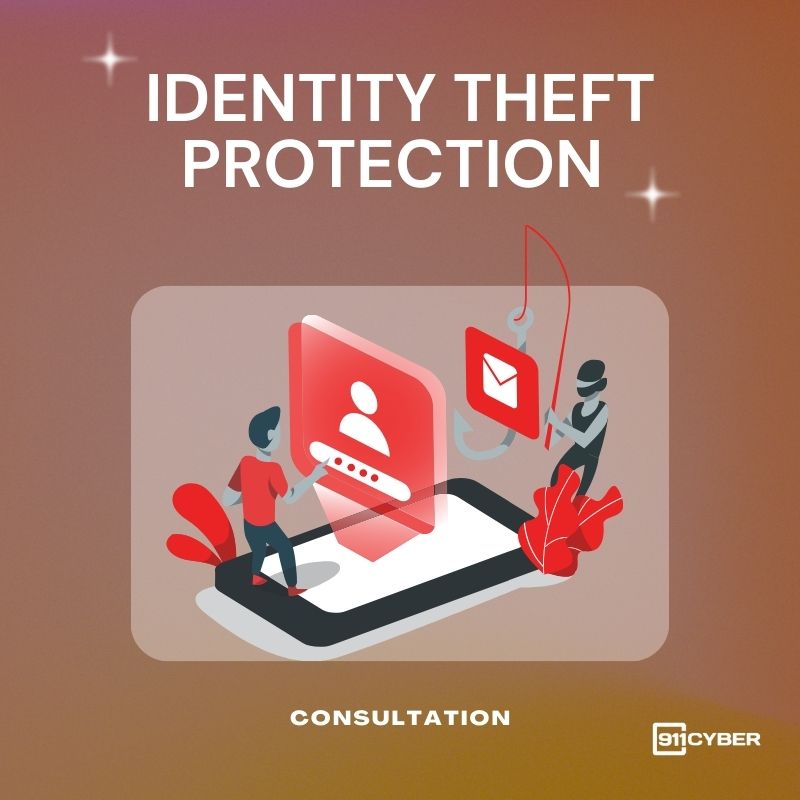
🆔 Identity theft: using stolen personal or financial data to impersonate you.
🔓 Hacking: breaking into accounts, systems, or connected devices.
🦠Ransomware & malware attacks: locking files, demanding payment, or spreading malicious software. 💬Online harassment & stalking: abusive messages, doxxing, or threats via digital platforms.
If it causes harm, loss, or disruption through digital means, it likely falls under the category of cybercrime.

Many victims of cybercrime stay silent because they feel embarrassed or believe nothing can be done. In reality, every report matters. It helps law enforcement track patterns, identify criminals, and prevent others from becoming victims.
Reporting also improves your own chances of recovery, whether it is getting back access to accounts, recovering stolen money, or having proof for insurance or legal action. Without an official record, it is harder to show that you were a victim.
On a larger scale, reporting adds to the data that governments and organizations use to strengthen laws, raise awareness, and build better protections. Staying quiet helps cybercriminals operate in the dark. Speaking up helps make the internet safer for everyone.

When reporting a cybercrime, share as much detail as possible. This can include suspicious emails or messages, phone numbers or accounts used by scammers, screenshots of threats, and records of financial transactions. If your accounts were hacked, note the services affected and the time you noticed unusual activity. If money was stolen, include bank or payment details related to the incident.
The more evidence you provide, the easier it is for investigators to connect your case with others and take action. Even small details, like the exact wording of a phishing email, can help uncover larger criminal operations.
🇧🇷 Brazil : Brazilian National Computer Emergency Response Team (CERT.br )
🇨🇦 Canada : Canadian Anti-Fraud Centre (CAFC)
🇨🇳 China : Internet Crime Information Reporting Website (cyberpolice)
🇫🇷 France : Service public d’assistance en ligne (CyberMalveillance)
🇩🇪 Germany: The BKA (Bundeskriminalamt)
🇮🇳 India: National Cyber Crime Reporting Portal (NCRP)
🇮🇹 Italy : Polizia Postale e delle Comunicazioni (State Police Cybercrime)
🇯🇵 Japan : Japan Anti Fraud Organization
🇬🇧 United Kingdom : Action Fraud (National Fraud & Cybercrime Reporting Centre)
🇺🇸 United States : FBI – Internet Crime Complaint Center (IC3)
For more details, visit our website 911Cyber.
📚Books
🎙️ Podcasts
▶️ Videos
Cybercrime is more than a technical problem; it is a human challenge that touches our finances, privacy, and trust in the digital world. Choosing not to report allows cybercriminals to stay hidden and continue exploiting others, while every report creates a trail that law enforcement and cybersecurity experts can use to connect cases and stop attacks. Even if an incident seems small, it can be part of a much larger operation.
Today, artificial intelligence is changing both sides of the fight. Criminals are using AI to launch faster and more convincing attacks, from phishing emails that sound real to deepfake scams that target businesses and individuals. But AI is also helping defenders. Authorities and cybersecurity teams use AI to detect patterns in massive amounts of data, identify criminal networks more quickly, and respond faster to threats. Reporting your incident feeds this process by giving systems more real-world data to analyze and learn from.
By protecting yourself and taking the time to report, you do more than close the door on one attack. You help build a safer digital space for your family, your workplace, and your community. Silence benefits criminals. Speaking up empowers everyone.

Copyright © 2025 @ 911Cyber All Rights Reserved.

A free 15-min cybersecurity consultation