
A Real Estate Developer’s Nightmare
Stock Development, a prominent Florida-based real estate developer, became the target of a significant cyberattack. This incident, stretching from 2023 to 2024,
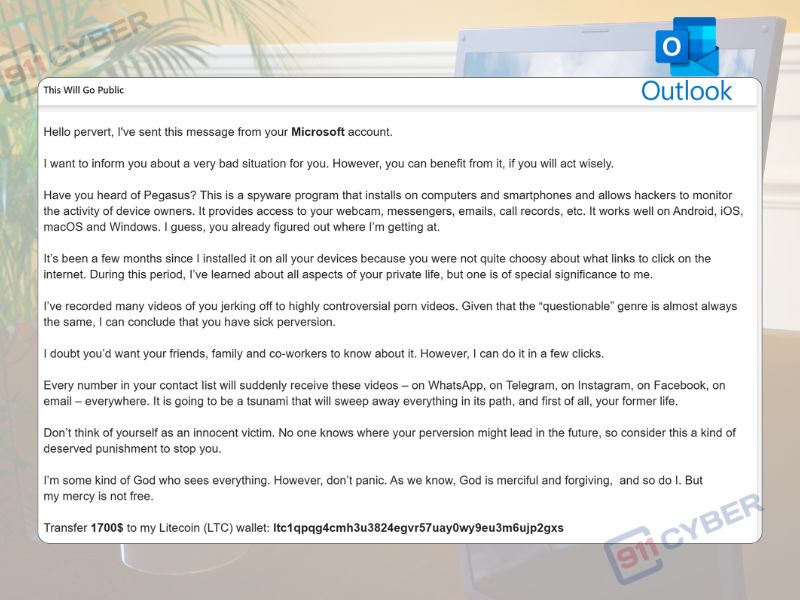
Cybercriminals are getting sneakier, and this latest scam is a perfect example. If you’ve received an email titled “This Will Go Public” or “Note to Self” and it appears to come from your own email address, don’t panic. You’re not alone, and this is a classic email spoofing scam meant to scare you into action.
The scam email is designed to appear as if it’s sent from your own Hotmail account, using fear tactics like threats of exposure or “public leaks” to manipulate you. But in reality, this message is:
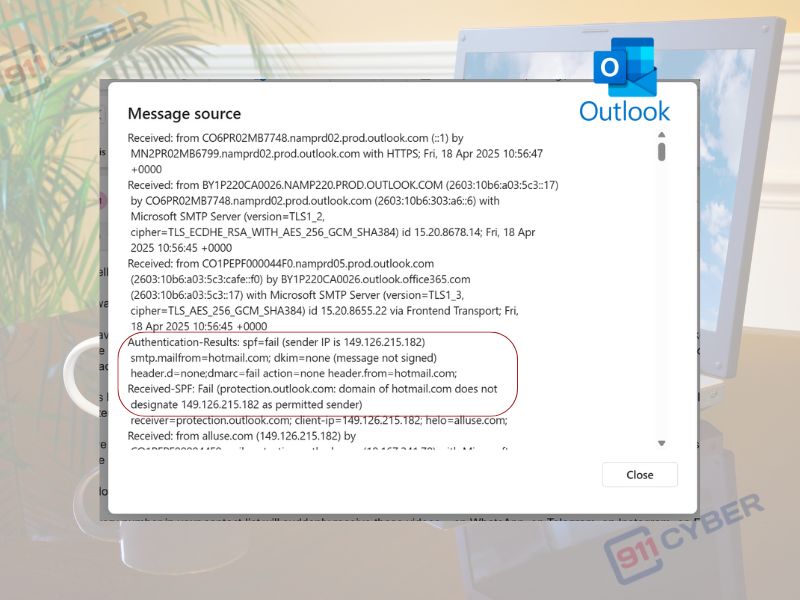
Received-SPF: Fail (protection.outlook.com: domain of hotmail.com
does not designate 149.126.215.182 as permitted sender)
✅ Hotmail’s SPF (Sender Policy Framework) says this IP address is not authorized to send on behalf of hotmail.com. That’s a big sign of spoofing.
dkim=none (message not signed
dmarc=fail action=none header.from=hotmail.com;
✅ The message lacks a valid DKIM signature and fails DMARC checks, which are email authentication methods used to prevent domain spoofing.
Received: from alluse.com (149.126.215.182)
✅ Despite appearing to be from Hotmail, it was actually sent from a suspicious domain (alluse.com) and IP address located outside of Microsoft’s infrastructure.
From: "myemail@hotmail.com" <myemail@hotmail.com>
To: <myemail@hotmail.com>
✅ The scammer is trying to trick you by making it look like you emailed yourself. That’s classic social engineering.
While the content may vary, it usually includes:
It’s a fake threat. Scammers use fear to push people into sending money or giving up control.
This scam is a good reminder: just because an email looks like it came from you doesn’t mean it did. Email protocols like SPF, DKIM, and DMARC exist to catch exactly this kind of forgery—but scammers hope you don’t know how to check.
Stay informed. Stay alert. Don’t fall for fear tactics.

A free 15-min cybersecurity consultation