

The Attack on Human Reality
Cognitive hacking is the deliberate manipulation of human thought. It targets perception, memory, judgment, and decision-making by using digital channels like
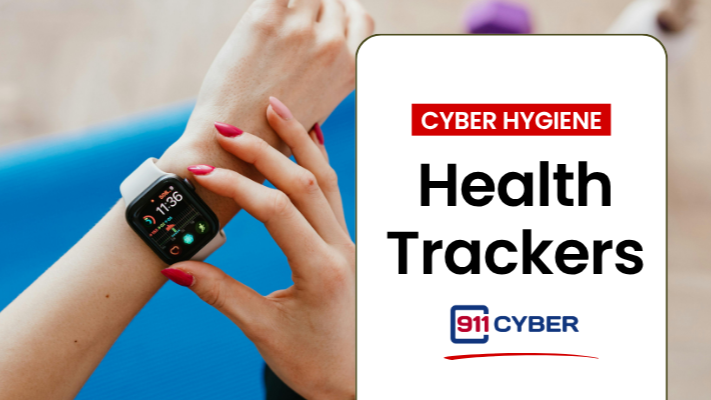
Health trackers, including smartwatches, fitness bands, and apps, monitor metrics like steps, heart rate, sleep, and activity. Advanced features such as ECG and blood oxygen tracking give insights once only available in clinics.
These devices are popular because they make health measurable and actionable. Real-time feedback and gamified goals encourage healthier habits, while cloud syncing allows users to track progress over time.
But collecting and storing sensitive health data brings cybersecurity and privacy risks. Features that provide insights can also create vulnerabilities, making it essential to understand why cybersecurity matters for health trackers.
With all the insights and convenience health trackers provide, the risks are significant. These devices handle deeply personal biometric and health data, and weak security or privacy controls can lead to identity exposure, targeted profiling, or even physical harm.
Health trackers often transmit data over networks, use cloud storage, and integrate with multiple services. Weak authentication, insecure APIs, and poor encryption create opportunities for attackers. Even so-called “de-identified” data can sometimes be re-identified using minimal information, such as heart rate combined with movement patterns.
The reality is clear: protecting health tracker data is critical because a breach can have far-reaching consequences beyond ordinary personal information.

Your health tracker holds a wealth of personal data, making it a prime target for cyber threats. Hacks can expose heart rate, sleep patterns, location, and reproductive health data. Lost or stolen devices, weak passwords, or insecure apps can let attackers monitor your movements or misuse your information. Health data can also be sold or used for profiling, advertising, insurance, or hiring decisions. Malfunctions or hacks may even cause inaccurate readings that affect medical advice.
Key threats include:
Understanding these risks is essential to protect your privacy and well-being.
AI can analyze health data to uncover hidden patterns, revealing conditions or identities even from partial or anonymized information. Malicious AI can use biometric data to impersonate people or create fake health signals.
Automated AI systems make it easier to re-identify many users quickly and link health data with social or location information to create detailed personal profiles. AI-driven attacks can also corrupt health data, causing false alerts or misdiagnoses. As AI becomes more integrated into health trackers, protecting the privacy and accuracy of this data is critical.

Only some health trackers are regulated like medical devices. Devices that diagnose or treat conditions must meet FDA or CE standards, but most consumer wearables and apps do not. This regulatory gap means fewer cybersecurity requirements and weaker data protections. Additionally, your health tracker data is generally not protected by laws like HIPAA. HIPAA applies to doctors, hospitals, and insurers, but data voluntarily shared with a fitness tracker company usually falls outside these protections, leaving it with limited legal safeguards.
Typically, you own your data, but by agreeing to the terms of service, you often grant the company a broad license to use, process, and sometimes share your data. The specifics are buried in the privacy policy, which is why it’s so important to review it.
When a wearable company is acquired or closes, your personal health data might be transferred, resold, or deleted, depending on its privacy policy. Always download or delete your data if you stop using a service.
Potentially, yes. While not always common, there have been instances where location and activity data from wearables have been used in legal cases (both criminal and civil). Furthermore, insurance companies are exploring ways to use tracker data to set premiums, which could penalize individuals with less active lifestyles or certain health indicators.
Most privacy policies will outline a process for requesting data deletion. This usually involves contacting the company’s customer support or using a specific form on their website. Regulations like GDPR (in Europe) and CCPA (in California) give you the “right to be forgotten,” strengthening your ability to have your data wiped from company servers.
📚Books
🎙️ Podcasts
▶️ Videos
Health trackers offer incredible benefits, from motivating healthier habits to providing insights that were once only available in medical settings. However, they come with real cybersecurity and privacy risks that are often overlooked. Devices and apps can be vulnerable to data breaches, insider misuse, insecure connections, and AI-driven attacks that reveal sensitive personal information. Regulatory gaps and limited legal protections leave much of this data exposed. Protecting your information requires awareness, careful management of permissions, secure passwords, multi-factor authentication, and choosing vendors committed to privacy. With these precautions, users can enjoy the benefits of health trackers without sacrificing security or peace of mind. Health in hand must always mean privacy in mind.

Copyright © 2025 @ 911Cyber All Rights Reserved.

A free 15-min cybersecurity consultation