XStore Documentation

What happens if I accidentally share personal information with ChatGPT?

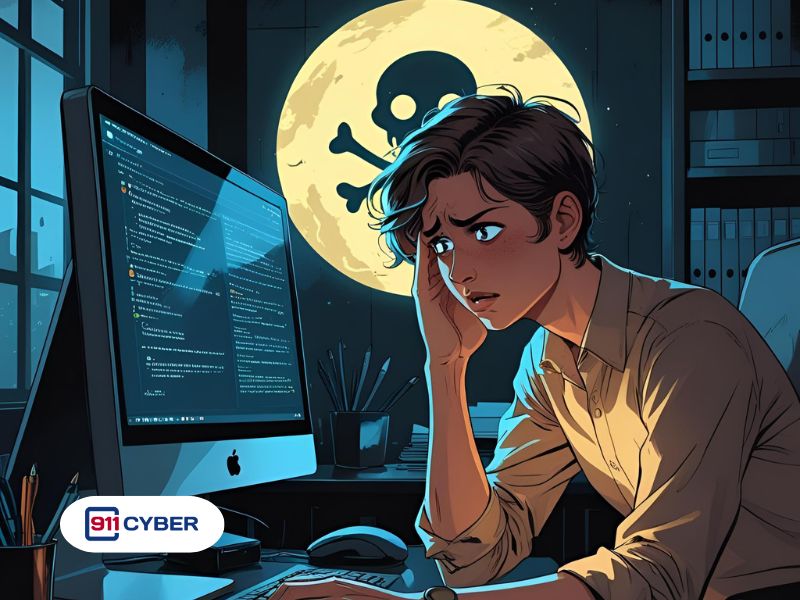
Maybe you uploaded the wrong file. Maybe you pasted sensitive details into a chat. It could have included your name, address, Social Security Number, bank details, or login credentials. Now you are worried about what happens next and what you should do.

Don’t panic, here’s exactly how to respond.

🔒 Immediate Actions

  1. Delete the conversation
  • In ChatGPT, remove the chat that contains the personal data.
  • This deletes it from your account view, although OpenAI may retain it for a limited time for abuse monitoring.
  1. Change passwords and secure accounts
  • If you shared login credentials, change them immediately from a secure device.
  • Enable two-factor authentication (2FA) on critical accounts like email, banking, and social media.
  • Use strong, unique passwords and consider a password manager.
  1. Treat sensitive identifiers as potentially exposed
  • For financial info: Contact your bank or card issuer to flag the potential exposure.
  • For government IDs: In the US, consider placing a fraud alert or credit freeze with Equifax, Experian, or TransUnion.

🛡️ Device & Account Checks

  1. Review connected devices and apps
  • Check account security pages (Google, Microsoft, Apple, banks) for unknown logins.
  • Log out of all sessions if anything suspicious appears.
  1. Monitor for phishing attempts
  • Be alert for follow-up scams targeting you through email, text, or phone calls.
  • Do not click on suspicious links or respond to unknown contacts.

🔁 Ongoing Monitoring & Protection

  1. Monitor financial and identity activity
  • Review bank statements regularly for unusual transactions.
  • Periodically check your credit reports.
  • Consider credit monitoring services if high-value personal data was shared.
  1. Keep records
  • Note what was shared, when, and in what form, in case you need to report it later.

📝 Reporting & Follow-Up

  1. Report if necessary
  • In the US: Report identity theft to the FTC at IdentityTheft.gov.
  • For fraud involving financial accounts, alert your bank’s fraud department.
  • Outside the US: Contact your country’s consumer protection or cybercrime agency.
  1. Strengthen your privacy habits
  • Always remove sensitive data before uploading or pasting into online tools.
  • Use placeholder text like “[NAME]” or “[SSN]” in documents when possible.
  • Double-check files before sharing, especially when tired or distracted.

🖥️ Last Resort

  1. If you suspect your accounts were compromised
  • Perform a full security review of all devices.
  • Reinstall operating systems if you believe malware was introduced through shared files.


Need help? Get expert guidance and specialized tools to assist in scam recovery and device cleanup here.

Get Help

Online Scam Prevention & Recovery

Schedule a free consultation

 A free 15-min cybersecurity consultation