A Real Estate Developer’s Nightmare
Stock Development, a prominent Florida-based real estate developer, became the target of a significant cyberattack. This incident, stretching from 2023 to 2024,
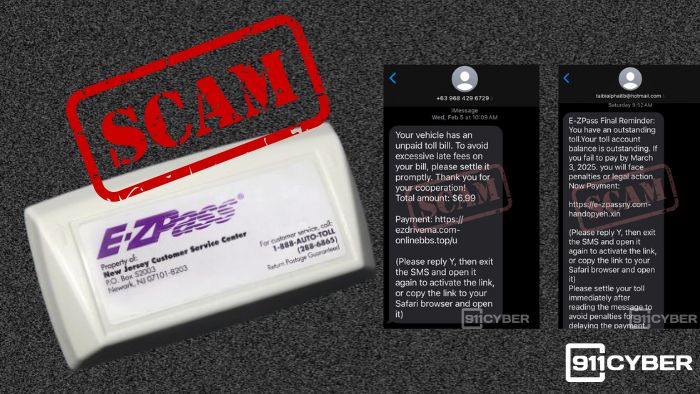
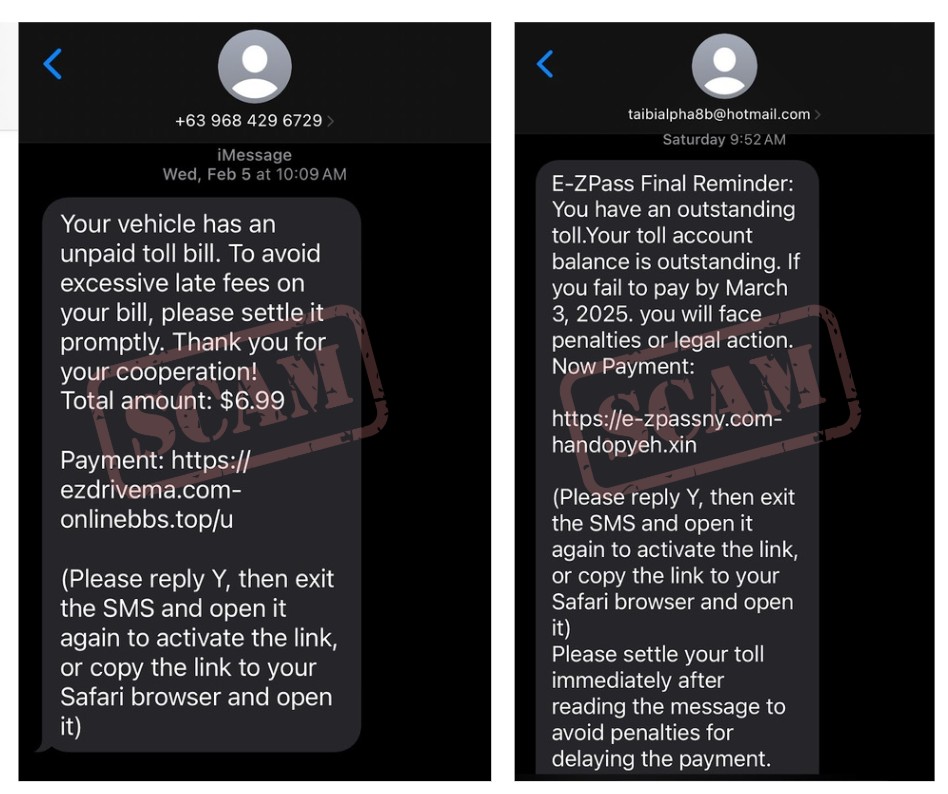
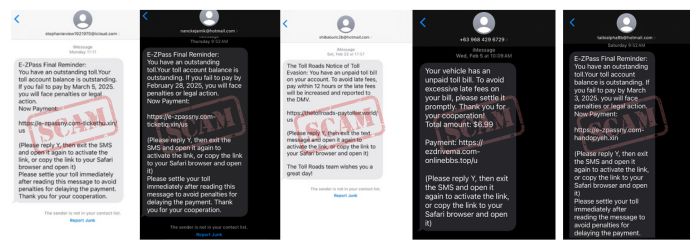
A recent surge of EZPass scams has been circulating, targeting drivers with fraudulent text messages and emails. These toll road scams are designed to trick recipients into clicking on malicious links, claiming that money is owed for unpaid tolls. Though the messages might look legitimate, they are part of a scam to steal your personal information and money.
The scam often starts with a text message from an unfamiliar number or an email from suspicious sources like Hotmail or iCloud addresses. The message typically claims that you owe money for tolls, usually from EZPass or another toll road service, and includes a link to make an urgent payment.
However, these messages are fraudulent. The links in the messages often lead to fake websites designed to steal your sensitive information and financial data.
If you receive a suspicious text claiming you owe money for tolls, do not click on the link. Instead, visit the official website of your toll service provider directly to check your account balance. If there are any outstanding payments, you will receive a physical letter—not a text message.
If you receive a suspicious message, report it to your toll service provider and your mobile carrier to protect others from falling victim. You can also file a claim with the FTC or IC3 internet crime.
If you’ve already clicked on a suspicious link or believe you’ve shared personal information with scammers, act immediately. **Schedule a free 15-min call consultation with one of our experts
Get Help

A free 15-min cybersecurity consultation